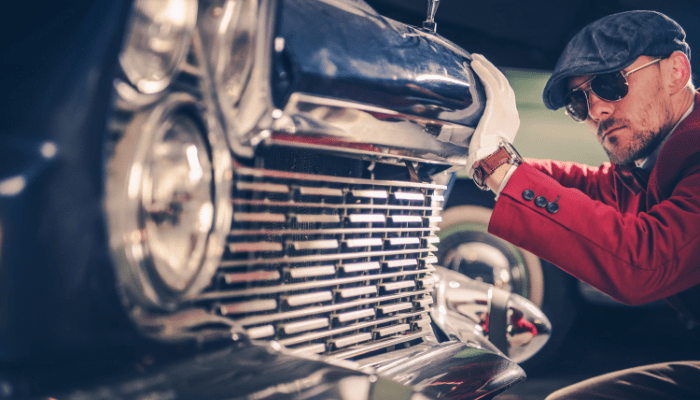
Welcome to the world of Antique car auctions, where the cars are older than your grandma but still pack a punch! Picture a place where vintage beauty meets high-stakes excitement, and bidding wars can erupt faster than a classic car revving its engine. Antique car auctions are not just events; they are grand soirées where history, craftsmanship, and a sprinkle of nostalgia collide to create the ultimate automotive extravaganza!
These auctions are the heartbeat of the automotive market, showcasing vehicles that tell stories of yesteryears. Each car comes with a unique pedigree, and understanding the factors that determine value—like condition, rarity, and that charming old-car smell—can help you snag a classic treasure or two. So buckle up as we dive into the process of buying and selling these magnificent machines, along with tips for enhancing their appeal before they cross the auction block.
Antique Car Auctions Overview

Antique car auctions are the thrilling arenas where classic automobiles transform from rusting relics into glittering prizes. Picture this: eager collectors, a gavel-wielding auctioneer, and the sweet sound of classic engines revving as bidders compete for their dream machines. These auctions are not just marketplaces; they are events pulsating with nostalgia, history, and a dash of competitive spirit.At their core, antique car auctions operate on the principle of competitive bidding, where enthusiasts gather to purchase vehicles that have often been meticulously restored or preserved.
Cars that qualify for these auctions are typically at least 25 years old and hold significant historical or collectible value. The auction process usually involves registration, viewing days for potential buyers to examine the cars, and the actual bidding, which can range from a casual paddle raise to intense bidding wars that leave spectators on the edge of their seats.
Importance of Antique Car Auctions in the Automotive Market
Antique car auctions play a crucial role in the automotive market, serving as both a barometer for market trends and a vibrant community for collectors. The significance of these auctions can be observed through several key aspects:
- Market Valuation: Auctions provide real-time data on what collectors are willing to pay for specific models, thus helping to establish market values.
- Networking Opportunities: These events bring together collectors, dealers, and enthusiasts, fostering connections that can lead to future sales or collaborations.
- Preservation of Automotive History: Through auctions, rare vehicles find new owners who value and care for them, ensuring that automotive history is preserved for future generations.
- Showcasing Innovation: Many auctions feature unique, rare, and innovative cars that represent the pinnacle of automotive engineering from their respective eras.
Factors Determining Car Value at Auction
Several factors contribute to the valuation of a car at auction, influencing how high the bidding can soar. Understanding these factors is essential for both buyers and sellers:
- Rarity: The scarcer the car, the higher its potential value. Limited production models or vehicles with unique features often attract considerable interest.
- Condition: A car’s condition is paramount—those in pristine condition or with a documented history of careful restoration tend to command higher prices.
- Provenance: The history of ownership can significantly impact value. Cars once owned by celebrities or featured in films often see their value skyrocket.
- Market Trends: The overall demand for specific models can fluctuate, influenced by pop culture, nostalgia, and even economic factors.
- Documentation: Comprehensive records, including restoration history and original paperwork, add credence and appeal to a vehicle, boosting its value.
The magic of antique car auctions lies not just in the cars themselves, but in the stories they tell and the dreams they inspire.
The Process of Buying and Selling at Auctions
Welcome to the thrilling world of antique car auctions, where the air is thick with anticipation, and the excitement of bidding can rival that of a high-stakes poker game. Whether you’re looking to snag a classic beauty for your collection or wish to sell a cherished vintage ride, understanding the auction process is key. So, buckle up as we navigate the twists and turns of buying and selling antique cars at auction, ensuring you avoid any potholes along the way!
Steps Involved in Buying an Antique Car at Auction
Before you dive headfirst into the adrenaline-fueled experience of bidding, it’s essential to get your ducks in a row. Here’s a roadmap for prospective buyers to follow:
- Registration: First things first, register with the auction house. This step is as crucial as finding the ignition key for your new ride. Prepare necessary documents like your ID and a method of payment. Some auction houses might even ask for a deposit, so keep your wallet handy!
- Preview the Cars: Attend a preview day to inspect the vehicles. Bring your trusty flashlight and a magnifying glass! Look for rust, listen for weird noises, and channel your inner detective to assess the car’s condition.
- Set a Budget: Decide on a bidding budget before the auction starts; otherwise, you might end up with a car that costs more than your 401(k). Factor in additional costs like buyer’s premiums and potential restoration expenses.
- Bidding Strategy: Develop a strategy for bidding. Will you be a calm sniper, waiting until the last second to strike, or an enthusiastic cheerleader, waving your paddle like it’s a game-winning touchdown? Choose wisely!
- Winning the Bid: If fortune favors you and you win the bid, congratulations! Be ready to finalize payment and arrange for transport. Don’t forget to do a happy dance as you drive off into the sunset.
Selling Process for Antique Cars
Selling your antique car at auction can feel like preparing for a prom date—there’s a lot to consider! Here’s what sellers should prepare:
- Documentation: Gather all pertinent paperwork including title, maintenance records, and any restoration details. Buyers love a good story, so let them know what makes your car unique!
- Condition Assessment: Be honest about the car’s condition. Consider hiring a mechanic to inspect it or invest in a professional detailing service. After all, no one wants to leave their antique beauty looking like it just survived a mud-wrestling match.
- Reserve Price: Set a reserve price—this is the minimum you’re willing to accept. Think of it as your car’s “not-so-secret” safety net, designed to keep you from selling for peanuts.
- Marketing: Promote your car effectively. Take high-quality photos that showcase its best angles, and write a captivating description. Consider including historical tidbits or quirky facts to reel in potential buyers.
- Attend the Auction: Be present on auction day. Mix and mingle, and show prospective buyers why your car deserves to be adored. Your enthusiasm can be contagious!
Common Pitfalls to Avoid When Participating in an Auction
Navigating the auction scene can be tricky, so steer clear of these common pitfalls that can turn your experience into a bumpy ride:
- Skipping Research: Don’t dive in without doing your homework. Research the auction house, the cars on offer, and recent sale prices. Ignorance may be bliss, but in the auction world, it can also be costly!
- Emotional Bidding: Keep your emotions in check during the bidding process. While it’s easy to get caught up in the excitement, don’t let your heart (or adrenaline) lead your wallet astray.
- Underestimating Fees: Be aware of buyer’s premiums and other fees that can add up quickly. Don’t let surprise costs deflate your victory balloon.
- Ignoring Condition Reports: Always read the condition report carefully. What looks shiny from afar might have hidden flaws. It’s like dating—better to find out now than after you’ve committed!
- Neglecting Transportation: Plan for how you’ll get your new prized possession home. Don’t assume it will magically drive itself; that’s just wishful thinking!
Enhancements and Customization for Auction Cars
When it comes to antique car auctions, the difference between a ho-hum sale and a jaw-dropping extravaganza often lies in the details—literally! Enhancements and customization can give classic cars the sparkle needed to catch bidders’ eyes (and keep their wallets wide open). With a mix of nostalgia and contemporary appeal, the right tweaks can send bidding wars into overdrive, and we all know that a little extra shine never hurt anyone.
Importance of Car Detailing
A well-detailed car is like a perfectly frosted cupcake; it draws everyone in and makes them want to take a bite (or, in this case, place a bid). Car detailing isn’t just about aesthetics; it’s about creating an irresistible appeal that can significantly impact auction results. When prospective buyers see a classic car that looks like it just rolled off the showroom floor, they’re more likely to envision themselves behind the wheel, taking it for a spin down memory lane.
“First impressions matter, especially when you’re competing with other classics for that coveted spot in the auction spotlight.”
A professional detail can address everything from paint imperfections to interior grime, enhancing the car’s value. Investing in detailing can lead to higher bids, as buyers feel more confident in the condition and quality of the vehicle.
Popular Customization Options for Classic Cars
Before rolling into an auction, classic cars can undergo transformations that make them not just unique but downright show-stopping. Here are some popular customization options that stand out at auctions:
- Upgraded Sound Systems: Forget about tinny radios; today’s classic car owners want to blast their favorite tunes through high-fidelity systems that rival modern vehicles.
- Custom Paint Jobs: A striking color, unique patterns, or even a vintage-inspired theme can set a car apart from the crowd.
- Performance Enhancements: Tweaking the engine for more horsepower or improved handling can make the car not only a beauty but a beast on the road.
- Interior Restorations: Luxurious leather seats, modern conveniences (like heated seats), and custom carpeting can transform a classic ride into a plush experience.
- LED Lighting: Adding contemporary lighting features can modernize the car’s aesthetic while providing better visibility.
Each of these enhancements can capture bidders’ attention, making them feel like they’re not just buying a car; they’re acquiring a piece of art.
Integration of Hybrid and Energy-Efficient Technologies
In an era where energy efficiency is the name of the game, even antique cars are getting a high-tech makeover. Integrating hybrid and energy-efficient technologies into classic vehicles can attract a whole new demographic of environmentally conscious buyers who appreciate the charm of yesteryears but also want to reduce their carbon footprint.One popular approach is retrofitting classic cars with electric drivetrains, allowing them to purr silently down the road while still turning heads.
This not only preserves the classic look but also offers the performance and efficiency of modern vehicles.
“Imagine a vintage Mustang whispering down the street, silently demanding attention while being an eco-warrior!”
Many car enthusiasts are now opting for battery-powered options that allow them to keep the classic aesthetic while embracing modern energy solutions. This combination provides the best of both worlds, ensuring that auction-goers don’t have to compromise on style or sustainability.
Closure
In conclusion, Antique car auctions are where your childhood dreams of owning a classic ride can come true, provided you know how to navigate the twists and turns of the bidding process. From registration to the final gavel drop, every moment is filled with potential. So whether you’re buying, selling, or just daydreaming, the world of antique cars awaits you—full of shiny chrome, rich histories, and stories that are begging to be driven again!
FAQ Summary
What types of cars are typically found at antique car auctions?
Expect to see a delightful mix of vintage classics, muscle cars, and even some rare gems that make collectors swoon!
Do I need special documents to buy an antique car at auction?
Yes, bring a valid ID, proof of funds, and sometimes a sense of humor to handle the excitement!
Can I sell my car at an antique car auction without an appraisal?
While it’s not required, having an appraisal can help you set a realistic starting bid and attract more buyers.
Are there fees associated with buying at auction?
Absolutely! Be prepared for buyer’s premiums, registration fees, and maybe a tip for the auctioneer if you really want that car!
What’s the best way to prepare an antique car for auction?
A good detailing, a bit of nostalgia-inspiring charm, and some careful tweaks can make all the difference in attracting bidders!


