
With Iconic American cars revving up the nostalgia engine, buckle up as we take a ride through the history that made these beauties legendary. From cruising down Route 66 to starring in movies that shaped our childhoods, these cars aren’t just vehicles; they’re rolling pieces of Americana that ooze style and swagger.
We’ll explore the top 10 most iconic American cars, dissecting their standout features and the cultural impact they’ve had on our society. These cars are not only about horsepower; they represent freedom, rebellion, and a slice of the American dream wrapped in chrome and leather.
Iconic American Cars Overview
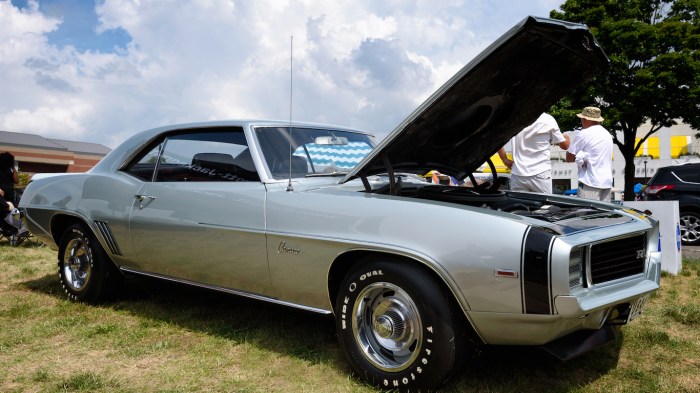
American cars are not just vehicles; they are rolling pieces of history that reflect the spirit, innovation, and culture of the United States. From the roaring engines of the 1950s to the sleek designs of modern muscle cars, these automobiles have played a significant role in shaping the automotive industry and influencing generations. They represent freedom, adventure, and the open road, becoming a beloved aspect of American lifestyle and identity.Since the inception of the automobile, several models have transcended their utilitarian purposes to become cultural symbols.
The significance of these cars extends beyond their horsepower and chrome; they embody dreams, aspirations, and the essence of American ingenuity. Here’s a look at the top 10 most iconic American cars that have made their mark on history and culture.
Top 10 Most Iconic American Cars
The following vehicles have set the standard in the automotive world, not just for their performance but also for their design and the cultural impact they’ve had. Let’s take a ride down memory lane and explore these classic marvels.
- Ford Model T: Launched in 1908, the Model T revolutionized the automobile industry with its affordability and assembly line production. It made car ownership accessible to the masses and paved the way for the modern car culture.
- Chevrolet Corvette: Introduced in 1953, the Corvette became America’s sports car. With its sleek fiberglass body and impressive speed, it has become synonymous with performance and luxury.
- Ford Mustang: Born in 1964, the Mustang defined the pony car segment. Its classic design and powerful engines spoke to a generation hungry for speed and style, making it an enduring symbol of American muscle.
- Dodge Charger: First introduced in 1966, the Charger quickly became a favorite among car enthusiasts. Known for its aggressive styling and powerful V8 options, it has appeared in numerous films and television shows, solidifying its status in pop culture.
- Chevrolet Camaro: Launched in 1966 as a competitor to the Mustang, the Camaro is known for its bold design and performance. It has evolved through decades, appealing to muscle car fans and collectors alike.
- Plymouth Barracuda: With its unique fastback design debuting in 1964, the Barracuda was one of the first pony cars. Its innovative styling and high-performance options made it a hit during the muscle car era.
- Jeep Wrangler: Since the 1980s, the Wrangler has been the quintessential off-road vehicle. Its rugged design and off-road capabilities encapsulate the adventurous American spirit.
- Cadillac Eldorado: A symbol of luxury since its introduction in the 1950s, the Eldorado showcased opulence and style. Its classic lines and powerful engines made it a favorite among the elite.
- Volkswagen Beetle: Though of German origin, the Beetle became an American icon after its introduction in the 1960s. Its unique design and affordability made it a beloved choice for American families.
- Chevrolet Bel Air: A staple of the 1950s, the Bel Air was known for its distinctive styling and chrome detailing. It represents the post-war era’s optimism and is still celebrated in car shows today.
The cultural impact of these vehicles has been profound, influencing art, music, and even fashion. They have appeared in countless films, from the “Fast and Furious” franchise to classic road movies like “Easy Rider,” symbolizing freedom and rebellion. Car enthusiasts often gather at shows and races, celebrating the legacy of these machines and their connection to American history and identity.
Iconic American cars continue to capture the hearts of many, serving as a reminder of the thrill of the open road and the rich automotive heritage of the United States.
Classic Cars and Their Legacy
Classic American cars are not just automobiles; they’re rolling pieces of history wrapped in shiny chrome and vibrant paint. These vehicles embody the dreams and aspirations of a bygone era, characterized by powerful engines, unique designs, and an unmistakable flair. From the sleek lines of the Ford Mustang to the majestic fins of the Cadillac Eldorado, classic cars reflect an automotive artistry that continues to captivate enthusiasts and collectors alike.The defining characteristics of classic American cars include their robust construction, distinctive styling, and the powerful engines that often roar to life with a nostalgic growl.
Many of these vehicles were produced during the golden age of American automobile manufacturing, roughly from the 1920s to the 1970s. Examples include the iconic Chevrolet Corvette, famous for its sporty performance and design, and the timeless Ford Model T, which revolutionized the way Americans traveled. Each classic car tells a story, an ode to the innovation and creativity of its time.
Restoration Process for Classic Cars
Restoring a classic car is akin to bringing a beloved work of art back to life. It’s a labor of love that requires patience, skill, and a sprinkle of magic. The restoration process can vary widely, ranging from simple cosmetic upgrades to full-frame restorations that require disassembly down to the last nut and bolt. Typically, the restoration journey begins with a thorough assessment of the vehicle’s condition.
This includes evaluating the engine, bodywork, and interior. Once the necessary repairs are identified, skilled craftsmen may embark on tasks such as bodywork to remove rust or dents, engine rebuilds to restore that glorious purring sound, and upholstery work to rejuvenate the cabin’s charm. The importance of preserving these classics cannot be overstated; they serve as cultural landmarks that connect us to our automotive heritage.
“Preserving the history of classic cars is preserving our own history.”
Insights on the Classic Car Market
The classic car market is a vibrant ecosystem where nostalgia meets investment. Buying and selling classic cars can be an exhilarating experience, akin to a treasure hunt where each find could be a hidden gem. Buyers are often on the lookout for well-documented models, provenances, and rare editions that can fetch a pretty penny at auction.The classic car auction scene is a fascinating arena where dreams and wallets collide.
Major auction houses like Barrett-Jackson and RM Sotheby’s regularly host events that attract thousands of bidders, where classic vehicles can sell for staggering sums. For instance, a 1967 Ferrari 275 GTB/4 recently sold for over $3 million, showcasing how some classic cars can appreciate significantly in value over time.The classic car market is influenced by trends, economic conditions, and even popular culture.
Enthusiasts often flock to car shows, swap meets, and online forums, where information and vehicles exchange hands like hotcakes.
“Investing in classic cars is like investing in a piece of history that you can drive.”
In summary, classic cars are a testament to American ingenuity and style. Their restoration and market dynamics continue to thrive, ensuring that these vintage marvels remain cherished for generations to come.
Innovations in American Automotive Engineering
The world of American automotive engineering has always been a stage for innovation, where horsepower and ingenuity dance together. Over the decades, American car manufacturers have not only been revving up the engines but have also been putting on their thinking caps to embrace hybrid and energy-efficient technology, proving that power and eco-friendliness can indeed share the same garage.American cars have evolved from the gas-guzzling beasts of yesteryears to sleek hybrids and energy-efficient models that whisper rather than roar.
This transformation is akin to a caterpillar becoming a butterfly, only this butterfly is capable of zooming from 0 to 60 without leaving a carbon footprint larger than a baby elephant’s. Manufacturers like Tesla, Ford, and Chevrolet have stepped up to the challenge, turning the automotive industry on its head and steering it toward a greener future.
Hybrid and Energy-Efficient Models
The era of hybrids and energy-efficient vehicles has arrived, and it’s not just a passing fad—it’s a revolution on wheels. These models combine electric propulsion with traditional engines, offering drivers the best of both worlds. The importance of these advances lies not only in fuel efficiency but also in reducing our dependency on fossil fuels.
- Tesla Model 3: This all-electric marvel has taken the world by storm, boasting impressive acceleration and a range that makes range anxiety a thing of the past. With a 0-60 mph time of just 3.1 seconds, it’s the perfect car for those who enjoy the thrill of speed without the guilt.
- Chevrolet Volt: The original plug-in hybrid that started the hybrid wave, the Volt offers up to 53 miles of electric-only driving, making it ideal for daily commutes, with a gas engine available for those longer journeys.
- Ford Fusion Hybrid: This midsize sedan combines stylish design with a fuel-efficient engine, achieving an impressive EPA rating of 43 mpg in the city, making it a popular choice for eco-conscious drivers.
Customization in Modern American Cars
Customization has become a rite of passage for American car enthusiasts, turning ordinary vehicles into extraordinary works of art. The ability to personalize a car reflects individuality and flair, not to mention the fun of tinkering under the hood. Popular modifications extend beyond mere aesthetics; they enhance performance, comfort, and unique style.The world of customization offers a buffet of options, from lift kits for a more rugged stance to custom paint jobs that turn heads faster than a racetrack.
Here are some of the most sought-after modifications:
- Performance Chips: These little gadgets can significantly boost horsepower and torque, ensuring your car leaves the competition in a cloud of dust.
- Aftermarket Exhaust Systems: For those desiring a growl that resonates with power, aftermarket exhaust systems elevate the sound and performance of standard models.
- Custom Wheels: Rims tailored to personal taste not only improve aesthetics but can also enhance handling and performance.
Comparison of Notable American ATVs
American ATVs have carved out a niche in the automotive landscape, showcasing power and versatility. These rugged machines are not only designed for off-road adventures but also offer specifications that cater to various riding styles. Below is a comparison table highlighting some notable models.
| Model | Engine | Horsepower | Weight (lbs) | Features |
|---|---|---|---|---|
| Polaris Sportsman 570 | 567cc | 44 hp | 705 | All-wheel drive, Electronic Power Steering, Versatile rack system |
| Can-Am Outlander 450 | 427cc | 38 hp | 650 | Selectable 2WD/4WD, Heavy-duty front and rear racks |
| Honda Rancher 420 | 420cc | 26 hp | 580 | Electric shift program, Independent rear suspension |
In the world of American automotive engineering, the combination of innovation, customization, and performance has taken the industry to new heights. The journey from gas-guzzlers to energy-efficient machines is one that continues to evolve, with every engine revving up the excitement for tomorrow’s rides.
Ending Remarks
As we park our journey through the world of Iconic American cars, it’s clear that these machines are more than just metal and wheels—they’re cultural icons that have left an indelible mark on our society. Whether you’re a classic car enthusiast or just someone who appreciates a good road trip, these vehicles remind us of a bygone era and inspire dreams of the open road, all while giving us a reason to smile as we rev our engines for another adventure ahead.
Helpful Answers
What makes a car an “iconic” American car?
An iconic American car is typically defined by its cultural significance, unique design, and the impact it had on the automotive industry and society. Think of cars that have become symbols of freedom and adventure.
What are some examples of iconic American cars?
Some examples include the Ford Mustang, Chevrolet Corvette, and the Dodge Charger, each known for their distinctive features and cultural relevance.
How do classic cars differ from modern cars?
Classic cars usually boast older designs, simpler technology, and often a more hands-on driving experience, whereas modern cars focus on efficiency, technology, and comfort.
What is the restoration process for classic cars?
Restoration involves a detailed process of disassembly, repairing or replacing parts, and reassembly to bring the car back to its original condition while often enhancing performance and aesthetics.
Are there any famous car shows for American classics?
Absolutely! Events like the Pebble Beach Concours d’Elegance and the SEMA Show celebrate classic cars, showcasing their beauty and engineering prowess.


